Microtransactions… Mega Problem

When I was younger, when a game was released, the only payment a player would be responsible for was buying the disc. However, as I began to play more mature games like Call of Duty, I noticed that a few times per year there would be DLC (Downloadable Content) releases in which new maps would be released. While purchasing these releases was not mandatory, those that did not purchase the DLC maps would not be able to play with those who did purchase them, essentially splitting the player base in half. I always did purchase the DLC maps as they weren’t too expensive and I looked forward to new in-game content. While the Call of Duty franchise was not the first game to include in-game purchases, my experience with Downloadable Content first came while playing COD and games released by EA Sports such as NHL and FIFA. 

Although the splitting up of the player base in Call of Duty was irritating, a player’s in-game performance was never directly influenced by anything that was available for purchase. That is, until they decided to release “supply drops” in 2014’s Advanced Warfare. Supply drops were initially earned in game; these drops included variants of weapons that provided players with a distinct advantage, as many variants included increased damage and range or significant improvements in mobility speed. While the release of supply drops received a bit more backlash than Activision (developers of Call of Duty) expected, because supply drops were originally not available to be purchased, the backlash was limited. However, Activision ultimately decided to release advanced supply drops which were available for purchase and provided significantly higher odds of obtaining the best weapons in the game. 

(Call of Duty Advanced Warfare unfair weapon variant and Advanced Supply Drops in the Marketplace)

Unlike the original supply drops, this move by Activision caused extreme damage to the game, as many players felt that the integrity of the game had been lost. Now, the skill gap was smaller, and the game became “pay to win.” Although I think the community overreacted to these supply drops since the weapons weren’t that much better than the originals, Call of Duty’s player base began to decline at a rapid rate. Call of Duty seemed as though it would be a dead game so long as supply drops and microtransactions were a part of the game. To combat this issue, Activision made supply drops that include strictly cosmetic items that did not impact game performance. Although this change was positive, Call of Duty has never been the same game as it was when microtransactions were limited to DLC maps. 

While Call of Duty may have ruined the game by way of microtransactions, one game that enhanced the player experience through the use of microtransactions is CS:GO. CS:GO also allows players to purchase skins for real money; however, these skins hold monetary value and can even be resold on the marketplace. Through microtransactions, CS:GO has not only preserved the longevity of their game, but also created an entire community of players who are obsessed with collecting and trading. While no game that includes microtransactions will ever be perfect in my opinion, I think CS:GO does an amazing job of integrating microtransactions as an optional enhancement to game enjoyment. Some of these skins have even gone on to sell for tens of thousands of dollars, even hitting prices well over $100,000.

(This CS:GO knife skin is valued at over $1 million, and its owner has turned down offers over this price tag) 

While my complaints regarding microtransactions seem to be very minor as they only affected my enjoyment of the game, there are more tangible reasons as to why microtransactions are more harmful than good. One thing I have noticed in microtransactions is that there are two specific types, both of which ruin the experience: microtransactions that provide an advantage or those that look to exploit children. 

In my experience of playing games, since Call of Duty, I have mostly seen the first type of microtransactions in sports games, specifically FIFA. For example, when I was in high school, I watched one of my good friends become addicted to opening FIFA Ultimate Team packs just to gain an advantage against other players. When it was all said and done, he had spent around $2,000 in under 6 months, causing a long discussion with his parents. Again, microtransactions of this type may be annoying to those that do not wish to spend money, yet they can also be extremely problematic to individuals, especially when the perceived in-game advantage they provide is extremely large as is the case with FIFA.  

For the second type of microtransactions I have come across, the first game I point to is Fortnite. Although the items offered in the Fortnite marketplace do not affect gameplay, the inclusion of pop culture icons and characters in game “skins” is directed at mainly children, especially when considering Fortnite’s player base. While this may be profitable for the developers of Fortnite, it begs the question: are microtransactions truly ethical? When purchasing from the Fortnite marketplace, it takes about 15 seconds for an individual to add money to their account and purchase a new skin. And with each skin costing roughly $15-$20, purchasing skins quickly becomes a very expensive hobby that young kids are most likely unable to stop themselves from participating in. Considering that the revenue from microtransactions is nearly $100 billion per year, I would argue microtransactions in this context are absolutely not ethical; however, there is no chance that microtransactions are going anywhere, as they’re just too profitable.
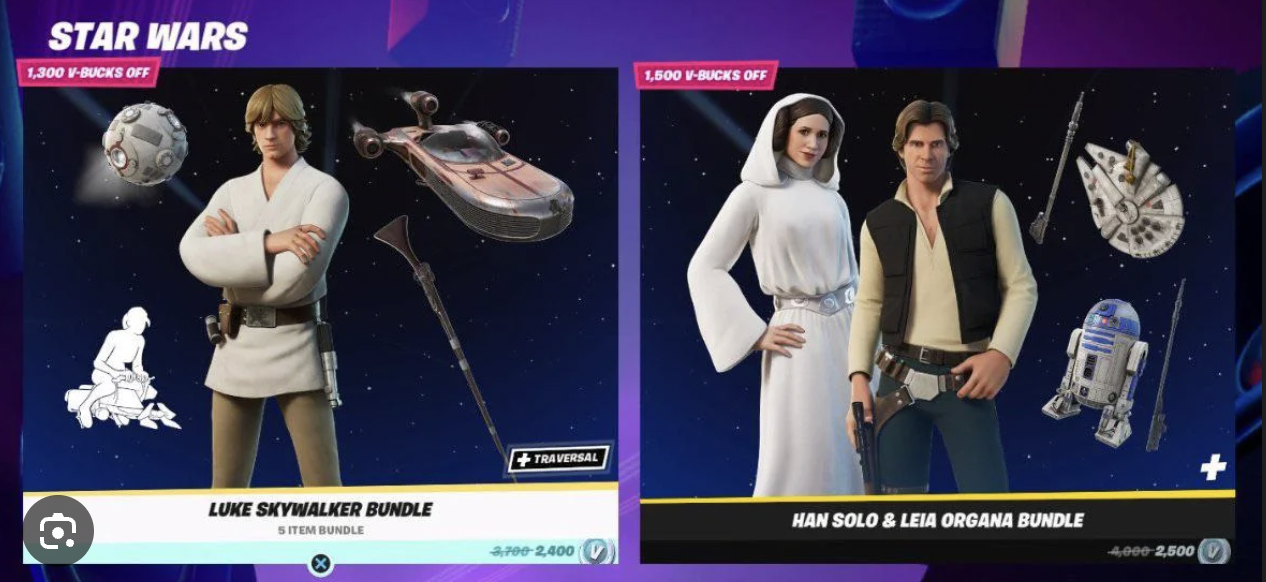
(Fortnite marketplace featuring Star Wars skins for purchase) 

As mentioned previously, microtransactions can be positive for a game; however, they also cause a lot of problems when overused and when they’re meant to exploit young kids. In the days of early Call of Duty and CS:GO, I thought microtransactions could help enhance games; yet, when a game revolves around its microtransactions, I learned how microtransactions could become exploitative and lead games to lose their integrity. While I’m not exactly sure how to fix this issue, I do think we need to investigate solutions, as it is typically more of a problem than a game enhancement. 

Genshin Impact: Gacha Rears Its Ugly Head

If you’ve played any online games, you might likely have run into some form of loot boxes by now. These boxes allow you to receive random in-game items such as characters or skins at the cost of an in-game currency or money. By applying this concept to a game’s core, the gacha game genre was born. The genre derives its name from gachapon, the vending machine-dispensed capsule toys found in Japan. Similar to how gachapon machines work, gacha games typically have a variety of characters, weapons, or collectibles that you can pay to have a chance to obtain. The gacha game genre primarily consists of free-to-play mobile games. Examples of gacha games that I’ve played include Summoners War, AFK Arena, Idle Heroes, and so on. In particular, my experience with the recent cross-platform release Genshin Impact has shown me the darker true colors of the gacha system.

Gachapon machines in Japan, the toy vending machines gacha games are named after

Genshin Impact is a free-to-play, action open-world RPG released by miHoYo on September 28, 2020. I’ve had a lot of fun thus far exploring the vivid environments/gameplay, and I can generally recommend checking the game out as a whole. Where Genshin gets its gacha label (and a lot of its issues) is in its system for acquiring new characters and weapons. Genshin utilizes a “wish system,” where you can spend in-game currency (Primogems) to roll for a random playable character or weapon. Each weapon/character has a rarity value (indicated by 3, 4, or 5 stars) that shows how powerful it is. The issue with Genshin and other gacha games is that the rates for obtaining rare items are incredibly low. The base rate for a 4-star item is 5.1%, while the base rate for a 5-star item is an outrageous 0.6%! Even considering Genshin’s mechanisms to mitigate ill fortune (ex: Making ten wishes at once guarantees you at least one 4-star or rarer/90 in a row without a 5-star guarantees you one), the possibility is high to spend a substantial amount without receiving any notable items. Making ten wishes costs roughly $27, while 90 wishes would cost you $240! After adding in the possibility of getting duplicate or unneeded items, it’s become clear to me that this system is incredibly expensive and rigged.

The hot new F2P ARPG RNG gacha craze

I could forgive the system if rare characters and weapons were not so vital to the game. It is impossible to navigate Genshin content on the internet without having content creators wave their rare and shiny characters/weapons in your face. However, this leads to another issue of gacha games: power creep. In making content updates, gacha games such as Genshin tend to add new playable characters to the game. To make these new characters appealing, they are made to be exceptionally strong, often to the point of putting players without these characters at an obvious disadvantage. At the same time, Genshin will offer “event wish banners,” offering wishes that have increased chances of obtaining these shiny new characters. Some of these overpowered characters are even exclusive to these banners, which disappear after the event period. Upon release, many Genshin content creators tend to spend massive amounts (we’re talking thousands of dollars here) of money to obtain these characters and show them off in videos and live streams. This advertisement perpetuates a toxic environment where viewers must spend large sums of money just for a chance to remain competitive in the game/avoid FOMO. This situation doesn’t even touch on other issues, such as minors who end up using their parents’ money to make these encouraged, impulsive purchases.

Trading $4000 for a virtual wind-controlling bard

Gacha games like Genshin also tend to include subscription passes and battle passes, which provide a large amount of in-game currency spread over a period of time or loot rewards as players complete challenges. These passes are set at a low price to make them particularly appealing to the player. Due to the high value and guaranteed rewards of a pass, players are much more likely to buy them since they’re too busy comparing them to the RNG nature of gacha. A good value encourages purchases, even unnecessary ones.

The average Genshin player finally getting the 5-star they wanted

Gacha mechanics also naturally take advantage of common fallacies. The gambler’s fallacy is the erroneous misbelief that because an event occurs less often in the past, it is more likely to in the future (or vice versa). Accordingly, many players have the misconception that they are more likely to get rare items in consecutive wishes after having poor luck, encouraging further spending. The sunk cost fallacy occurs when one continues engaging in behaviors solely due to the time/resources already dedicated to said behavior. I have yet to spend money on the game, yet I’ve still felt the “it would be a waste to stop after investing this much time/resources” effect that the game has. While already potent as separate fallacies, the combination of the two is dangerous, especially for gambling addicts or addictive personalities.

Regardless of all this, the last thing you can say that gacha games aren’t is successful: in the first month of Genshin’s release, the game grossed 250 million dollars, one of the highest amounts ever grossed for a mobile release. And while gacha systems may have slowly disappeared from a lot of games, they are likely still here to stick around for the time being. Considering the vast financial benefits they provide to game developers (and arguably the players as well), one has to wonder: to what extent this business model can be considered ethical? Should free-to-play games be allowed to keep this kind of strategy since they allow more people to access the game initially? Should gacha games and loot boxes be under stricter regulations, like gambling laws? The answers remain unclear. But for now, you can expect that people will keep wishing away, even if their wallets scream for them to stop.

The Effects of Going Free to Play: A Case Study

Free to play; it’s a fairly simple concept. Take your phone, PC, or console, load up its respective game/app store, download, and play! Hundreds of millions of people play free games, as no direct payment is required to play (other than the expensive device, of course).

But what about pay to play games?

The number of people playing these kinds of games are lower since a direct payment is required (on top of that expensive device…yikes!) Many people can’t afford or aren’t willing to shell out that extra cash for a game, which could amount to $70-$80, leaving Ashley Hemenway’s “casual gamer” behind.

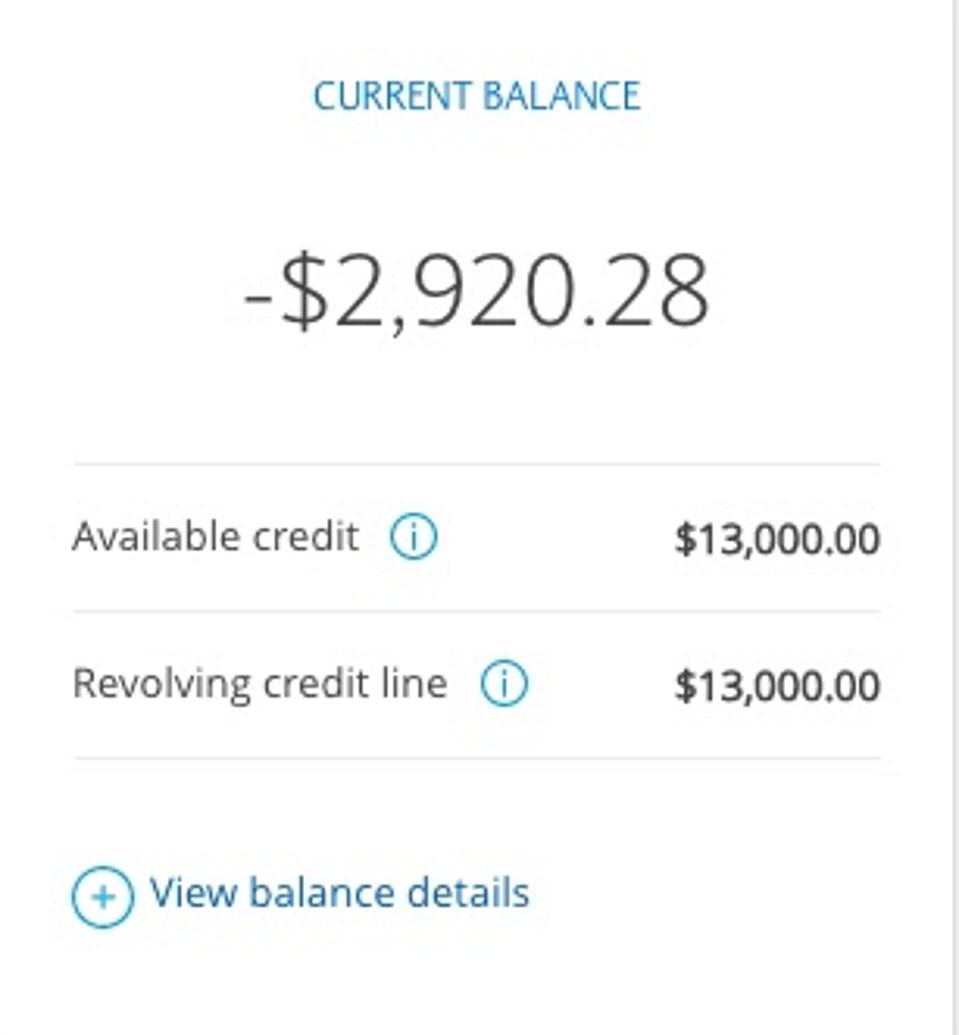
My Credit Card Balance After Steam Sales

Clearly, there are two distinct communities that make up most of the free/pay to play games. The dedicated gamers might be found in both communities, but not vice versa. This split creates two different ways games are marketed and consumed, which should mean that these communities won’t interact with each other.

At this thought I came to multiple questions that have even more answers: What happens when a pay to play game goes free to play? How is the community affected? How is monetization affected? WHAT HAPPENS?!?!?

Surprise! I can tell you, as I have been a part of this community and monetary shift… twice now. Combined, I have over 1300 hours spent on these games, and I still play both to this day. Destiny 2 and Rocket League are two of my favorite video games, period. The former is a lore-filled, immersive experience and the latter is a thrilling twist on the classic sport of soccer (or football, however you say it.) 

Before I dive into the effects of going free to play on these games, I want to give a clearer definition of free to play and pay to play. All free to play games are either games that have advertisements littered throughout or are “freemium” games: a free download, but progress can be made by paying for in-game currency. Some games are truly free to play, but they offer premium cosmetics, i.e. Fortnite. Pay to play games have an asking price, but many also offer premium cosmetics as well.

Alright, let’s start with Destiny 2.

Taken from GameSpot

Destiny 2 released at $60, a standard price for a AAA title, and was developed by Bungie and Activision. In-game currency could be purchased to buy cosmetic items, and expansion packs were released at premium prices for fresh and novel in-game content. Riding the wave of popularity that its predecessor had, Destiny 2 sales were off the charts. Bungie and Activision never gave specific numbers, but more units of Destiny 2 were sold in its first year compared to its predecessor (sold from 2014-2017). In 2018, a third-party site, DestinyTracker, logged roughly 8 million users on Destiny 2, and roughly 600K played daily. In short, it was one of the biggest games in the gaming industry, competing with the likes of Call of Duty.

On October 1st, 2019, Destiny 2 became free to play. What happened to the numbers? The culture? Were casual gamers introduced into the fiercer side of gaming?

On October 4th of this year, a little over 1 year after becoming free to play, DestinyTracker logged roughly over 20.6 million players with 1.4 million active players online. That’s around 2.4 New York Cities registered as a player, and 1/8 of New York City actively playing. Holy smokes. Unfortunately for Bungie, they made no money directly from adding millions of players, but they exposed the new players to the cosmetics and the expansion packs. In 2019, these same cosmetics and expansion packs earned Bungie a whopping $300 million, with only a ¼ of the year including the “free to play version” of Destiny 2. The numbers for 2020 haven’t been released yet, but with the release of 2 expansion packs and an overhaul of the microtransaction shop, we can expect to see that number go up.

There’s something else besides numbers that are extremely important: the community. The Destiny community has been around since 2014, and it’s even stronger now. Of course, adding players will directly increase the number of avid community members. We can even assume that some casual gamers were exposed to Destiny 2 and became a part of the Destiny and gaming community. Content creators became more popular, as twitch streamers and YouTubers alike saw their view and subscriber counts soar. Hackers in the PvP mode became more prevalent. Puzzles and mysteries in the game that rewarded rare items became a team effort of millions. Overall, going free to play created a buzz around the game that hadn’t been felt before, and the sheer exposure Destiny 2 garnered will ingrain itself in popular and gaming culture alike.

Picture of a Number Puzzle that Took Multiple Days to Solve by Hundreds of People

Now, to Rocket League.

Courtesy of Epic Games

This game is the most sports-like game I know. It’s a riveting 3-on-3 soccer match with cars, lasting 5 minutes with overtime (if necessary). Rocket League was released in July of 2015, sold for the small price of $20. Like Destiny 2, this game offered cosmetics for a premium price. Rocket League did incredibly well for its small developing team Psyonix; it made over $110 million from sales and microtransactions in its first year and accrued over 5 million active players. These numbers would steadily increase year after year, making Rocket League a smash hit in the gaming community.

The numbers certainly are impressive, but I believe what truly drives Rocket League (pun intended) is its involvement in e-sports. As of now, Rocket League is one of the most popular e-sports in the world, competing for viewership with League of Legends and CS:GO.  In the Rocket League community, organizations like NRG, Renault Vitality, and G2 are household names, and superstars like Squishy, jstn, rizzo, turbopolsa, and fairy peak are the most known players around. They play for the world championship title in the Rocket League Championship Series (RLCS), which averages around 100K views each year. Each season includes its own storyline, clutch moment, and heartbreak.

The Greatest Moment in RLCS

Rocket League went free to play just short of two weeks ago on September 23rd, 2020. How will this affect its revenue and community?

I want to use Destiny 2 as a model here. Destiny 2 microtransaction sales are on the rise, and I believe Rocket League will experience the same effect, but on a lesser magnitude. However, Rocket League will certainly make up for it. There’s no doubt in my mind that most of the money will be coming from e-sports. Increased popularity will boost viewership, which will boost ticket sales for LAN events. Already, the average viewership on Twitch alone has gone up from around 30K to 60-80K. New organizations will flock to pick up the increased high-skill player base to compete in RLCS, leading to more sponsorship deals and funding. Prize pools for tournaments will become much larger. I believe that the already large e-sports scene of Rocket League will grow exponentially and surpass games like CS:GO and Rainbow Six Siege.

I haven’t even mentioned the player base. As an active player for a couple years, I normally see around 100K-200K online each day. I logged on come September 24th, a day after free to play launched, and nearly 1.1 million people were playing. That’s almost a million new players AT ONCE. Not only that, but that daily average competes with the likes of Destiny 2.  Given time, a portion of that million could become the next jstn, the next squishy, the next turbopolsa. A casual gamer now could become RLCS world champion in a couple years. Where Destiny 2 won in microtransaction/DLC sales, Rocket League will win big in the e-sports scene.

Don’t get me wrong, the growth of Destiny 2 after it went free to play was fun to watch. The community came together like never before, and, most importantly to Bungie, they made a lot of money. The Destiny franchise will go down as one of the all-time greats, facilitated by the free to play move. However, I’m even more excited to watch the growth of Rocket League. This game has the potential to amass the same player base Destiny 2 has and to grow one of the most exciting e-sports to watch. Do I know exactly what will happen with Rocket League moving forward? No, I’m speculating based on the rise of Destiny 2. But I believe that Rocket League will become a cornerstone for all gamers, casual or avid, and it will become the poster child for the e-sports scene.

After all, “This is Rocket League!”

-Alex LeRoux

Design a site like this with WordPress.com
Get started